
Bee Swarms:What You NeedTo Know
1st July, 2026
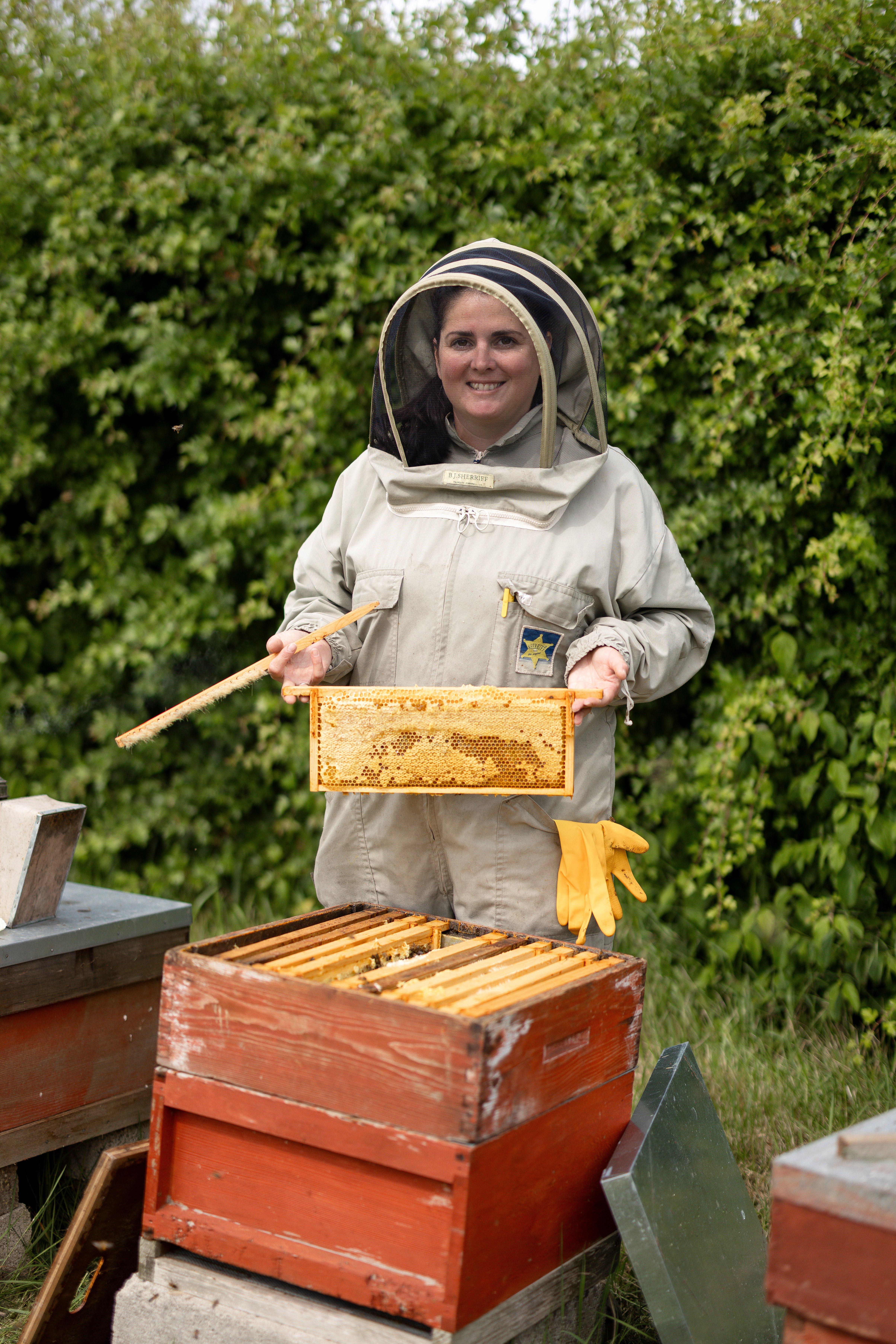
Meet Donya, the beekeeper turning quiet Nottinghamshire fields into a hive of activity at Peacock Farm.

Meet Donya, the beekeeper turning quiet Nottinghamshire fields into a hive of activity at Peacock Farm.
A big cluster of buzzing bees might look a little intimidating, but don’t worry – it’s usually one of nature’s most amazing spectacles! Every spring and early summer, honey bees swarm as part of their natural lifecycle, setting off together in search of a new place to call home.
While it can seem alarming at first, bee swarms are often much calmer than people expect. In this guide, Donya from Peacock Farm explains why bees swarm, what they’re doing, and the simple steps you can take to help keep both the bees and your local community safe.
What is a swarm of bees and what should you do if you see one?
Every spring and early summer, beekeepers begin receiving calls about large clusters of bees hanging from trees, fences, garden furniture, or even parked cars. While it can look alarming at first, a swarm of bees is actually one of nature’s most fascinating events and usually far less dangerous than people imagine.
What exactly is a bee swarm?
A swarm is the natural way a honey bee colony reproduces. When a hive becomes crowded or the queen is deemed to be too old, the bees prepare to split into two colonies.
The existing queen leaves the hive with thousands of worker bees to search for a new home. Before they leave, the colony creates new queen cells inside the hive so a new queen can emerge and take over the original colony.
In simple terms, swarming is how bees create a new colony while the old hive continues with a newly raised queen.
Why swarming bees are usually docile
Although a swarm may contain thousands of bees, they are generally very calm and non aggressive.
Before leaving the hive, the bees fill their stomachs with honey to prepare for the journey ahead. A bee full of honey is much less likely to sting because its focus is on protecting the queen and finding a suitable new home rather than defending a hive.
This is why swarms often appear surprisingly peaceful, clustering quietly together while scout bees search for a permanent location.
That said, they are still wild insects and should never be disturbed, sprayed, or handled by untrained members of the public.
Why it is important to report a swarm quickly
A swarm will usually rest temporarily for a few hours or a couple of days while scout bees look for a suitable nesting site.
If left alone for too long, the swarm may move into inconvenient and difficult places such as:
• Wall cavities
• Chimneys
• Roof spaces
• Sheds
• Air vents
Once bees establish themselves inside a building, removal becomes far more complicated and can sometimes require sections of walls or ceilings to be opened.
Reporting a swarm early means an experienced swarm collector can safely remove and relocate the bees before they settle somewhere problematic.
Who should you contact?
The best option is to contact a local swarm collector through the British Beekeepers Association (BBKA) website.
Many local beekeepers volunteer their time to collect swarms safely and relocate them into managed hives where the bees can continue thriving.
When reporting a swarm, it helps to provide:
• The exact location
• A photo if possible
• Whether the swarm is easily accessible
• How long it has been there
What you should not do
If you discover a swarm, avoid:
• Spraying the bees
• Throwing water at them
• Blocking entrances if they have entered a structure
• Attempting removal yourself unless you are an experienced beekeeper
Keeping a safe distance and contacting a swarm collector is always the safest approach.
Swarming is a completely natural and essential part of the honey bee lifecycle. While seeing thousands of bees gathered together can feel intimidating, most swarms are simply looking for a new home and can be safely relocated by local beekeepers.
By reporting swarms quickly, you help protect both the bees and nearby properties while supporting local beekeeping efforts and pollinator health.
Want to learn even more about the fascinating world of bees? Visit our Beehive page to discover how a colony works, meet the different members of the hive, and explore why bees are so important to our environment. There’s always something new to discover!