The Wild SquareChallenge

As Flying Flowers’ Digital Marketing Manager, Eleanor leads the brand’s digital growth strategy, playing a key role in growing the brand’s online presence and connecting customers with meaningful gifting moments. Alongside her 10 years in digital marketing, El is the driving force behind Flying Flowers’ pollinator conservation mission. From creating educational resources for schools to championing campaigns that inspire people to become bee advocates, she is committed to making pollinator protection more accessible, engaging, and impactful.
As Flying Flowers’ Digital Marketing Manager, Eleanor leads the brand’s digital growth strategy, playing a key role in growing the brand’s online presence and connecting customers with meaningful gifting moments. Alongside her 10 years in digital marketing, El is the driving force behind Flying Flowers’ pollinator conservation mission. From creating educational resources for schools to championing campaigns that inspire people to become bee advocates, she is committed to making pollinator protection more accessible, engaging, and impactful.
What the Red List really means
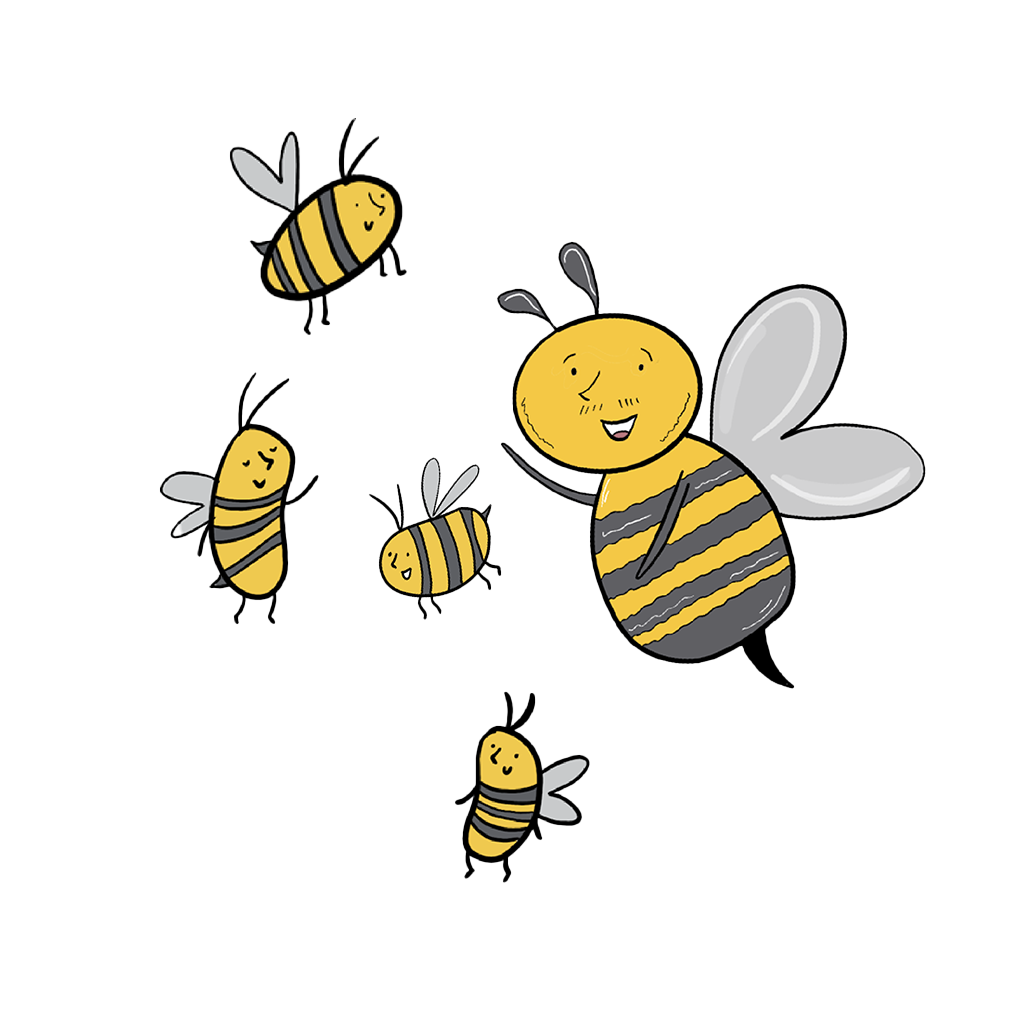
13 wild bee species are on the UK’s Red Species List — each classification shows how serious the risk has become.
Each plays a distinct and irreplaceable role in pollinating our wildflowers, crops, and natural landscapes.
Many of these species have highly specific habitat and nesting requirements, making them particularly vulnerable to landscape change.
The three main types of bees in the UK
From solitary bees to bumblebees and managed honeybees, each group plays a different role in pollinating flowers, crops and wild spaces.
Solitary Bees
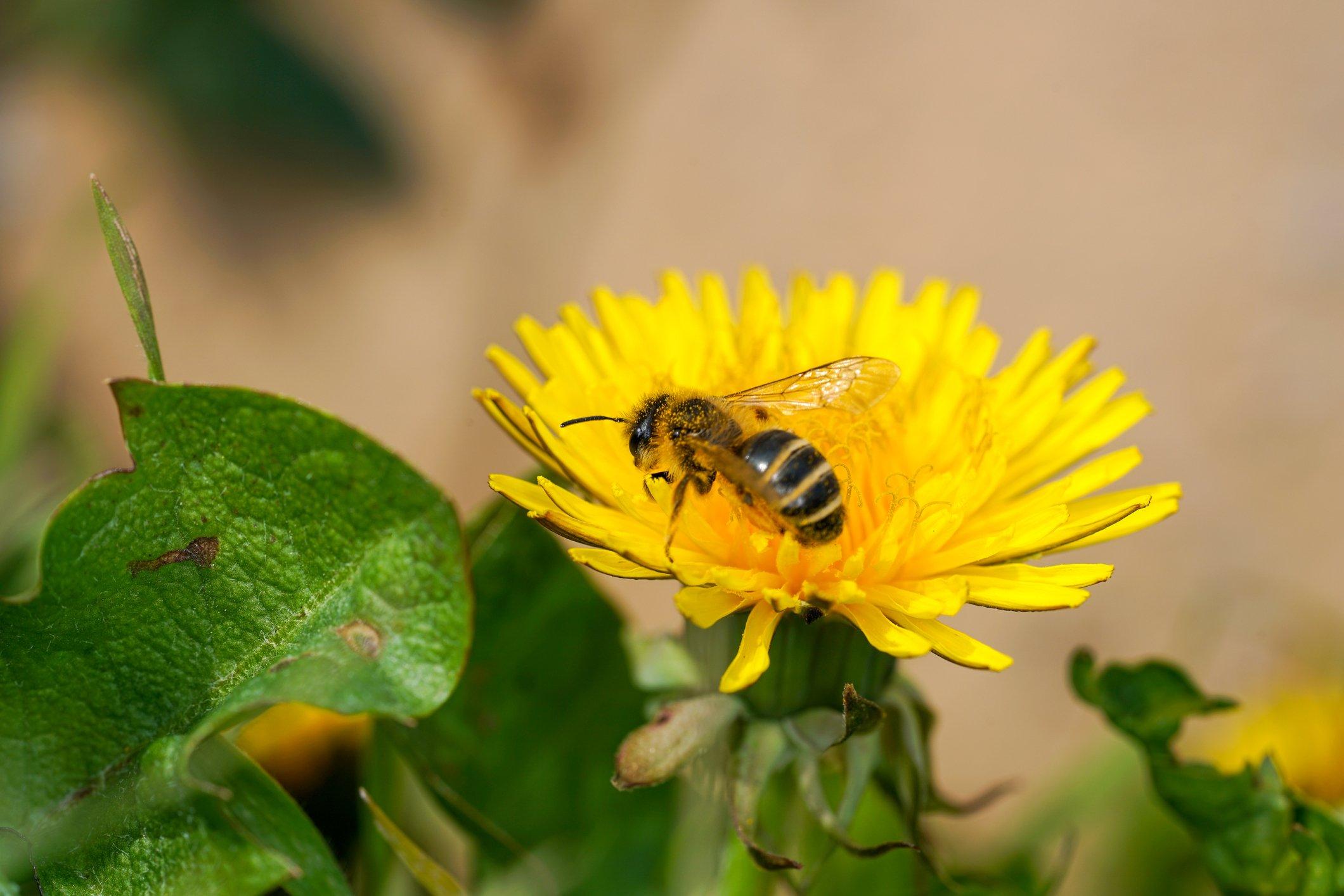
Over 260 species in Britain, representing around 90% of the UK’s bee population. Species range from the widespread Red Mason Bee to the highly specialist Wall Mason Bee, which is now on the UK Red List.
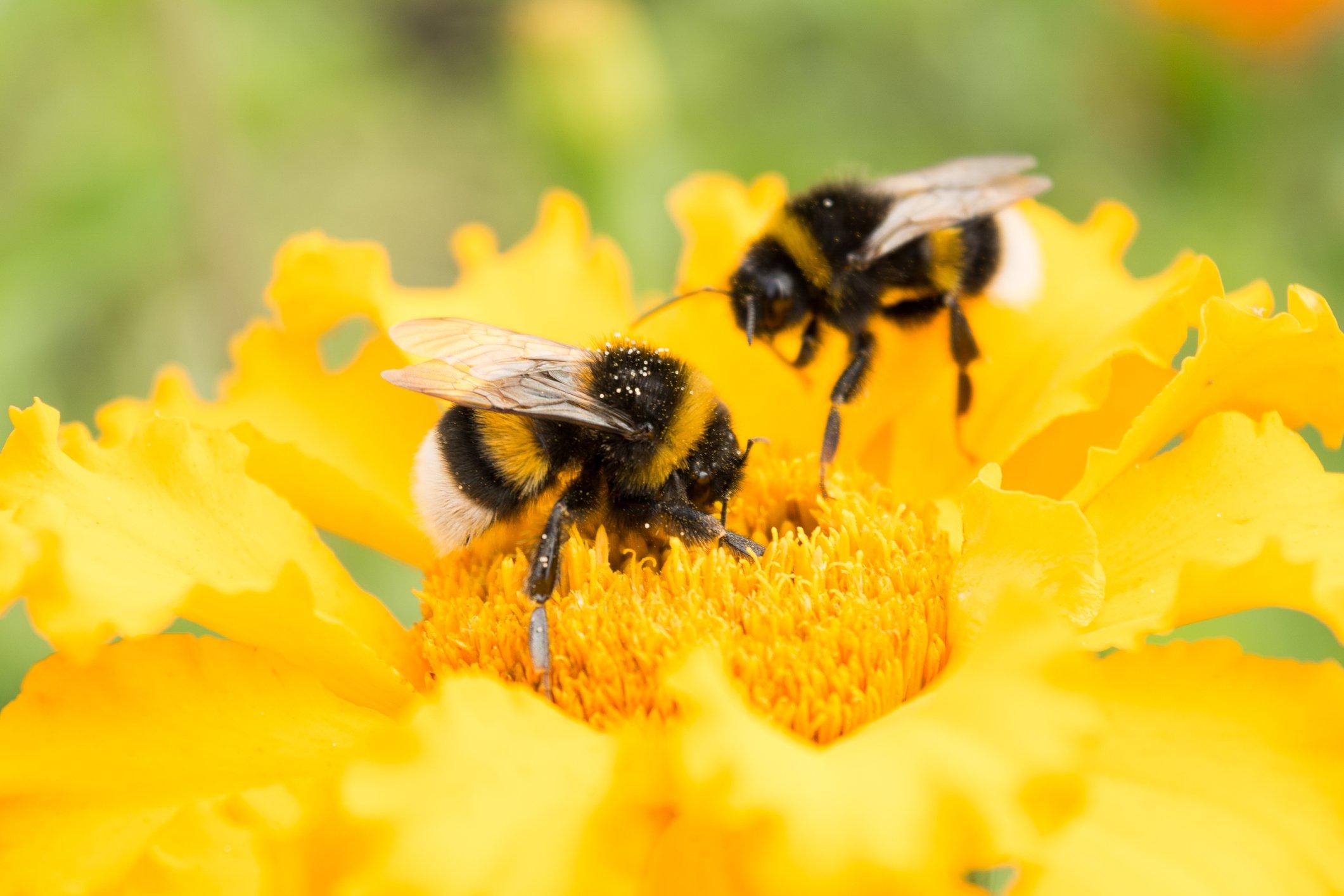
Bumblebees
Social bees, with around 24 species in Britain. Around 12 are commonly seen in gardens. 2024 was the worst year on record for bumblebees, with the Red-tailed Bumblebee seeing a 74% decline in numbers alone.
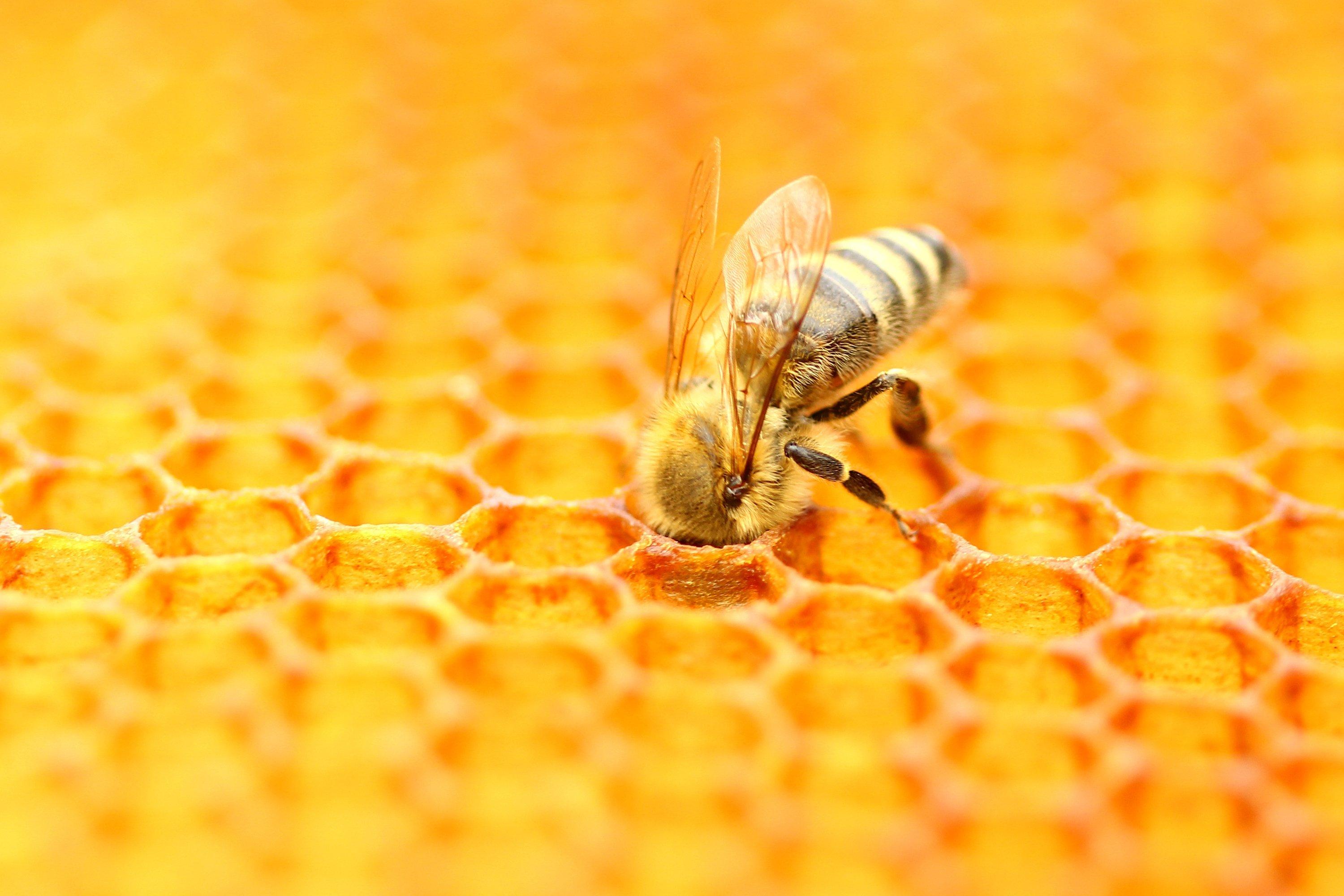
Honeybees
Managed largely by beekeepers. Colony loss rates remain a concern: in 2025, the National Bee Unit recorded 33,917 inspected colonies, with 1,567 found dead — a loss rate of 4.6%.
Honeybee colony losses show regional pressures
Historical National Bee Unit data suggests winter honeybee colony losses have improved significantly over the last three decades.
Average annual losses have fallen from 13.4% in the late 1990s to 4.7% so far in the 2020s.
However, the whole-year data we sourced from the National Bee Unit shows the annual loss rate rose to 5.1% in 2024, marking the highest level since 2018, suggesting renewed pressure on British honeybee colonies.
Source: National Bee Unit
APHA Colony Loss Data
More recent APHA inspection data show colony losses remain highly volatile at a regional level.
In England, average colony losses reached 10% in 2024 and remained elevated at 8.7% in 2025.
By May 2026, England had recorded 732 colony losses from 4,468 inspected.
England regional colony losses
2026 figures are year-to-date only, but several regions are already showing high inspected colony loss rates.
2025: 12.9% | 2024: 12.6%
2025: 6.9% | 2024: 7.7%
2025: 10.7% | 2024: 12.2%
2025: 7.9% | 2024: 13.1%
2025: 10.4% | 2024: 11.6%
2025: 6.4% | 2024: 6.7%
2025: 5% | 2024: 5.3%
*2026 data is year-to-date only and based on partial inspection totals, meaning figures are not directly comparable with completed annual totals from previous years. Source: APHA | National Bee Unit
Asian Hornet sightings surge as invasive threat spreads north
The Yellow-legged Hornet (Vespa velutina), commonly known as the Asian Hornet, is an invasive non-native species that poses a direct predation threat to honeybee colonies and wild bee pollinators by hunting bees and other beneficial insects.
An average nest can consume over 11kg of insects per year, placing additional pressure on already vulnerable pollinator populations.
The presence of Asian hornets can also trigger foraging paralysis in honeybee colonies, where worker bees retreat into the hive and stop foraging altogether, leaving the colony unable to gather enough nectar and pollen to survive winter.
What to do if you spot an Asian Hornet
If you think you have seen a Yellow-legged Hornet, report it quickly and safely.
Stay safe. If possible, take a photo from a safe distance and note the location. Never disturb a nest. Rapid reporting helps protect bees, pollinators and biodiversity across the UK.
Methodology
Wild bee conservation status is based on the Joint Nature Conservation Committee (JNCC) Conservation Designations for UK Taxa (2023), which classifies species according to extinction risk categories, including Endangered, Vulnerable, and Rare. The dataset covers more than 13,000 UK taxa assigned some form of rarity, threat, or legal conservation status in Great Britain or the UK. Species names within these lists are cross-referenced with the UK Species Inventory, managed by the Natural History Museum on behalf of the National Biodiversity Network, ensuring consistency in taxonomic naming across national biodiversity datasets.
Data is drawn from the National Bee Unit (BeeBase), covering whole-year inspection totals from 1996 to 2025. Flying Flowers calculated the averages per decade from annual loss rates across each period. Regional breakdown data was obtained via a Freedom of Information request to the Animal and Plant Health Agency (APHA). 2026 year-to-date figures are based on partial inspection totals and are not directly comparable with completed annual figures.
Sourced from the BeeBase national sighting database, including credible sightings and confirmed nest records reported between 2024 and 2026 (year-to-date May 2026).
Wild bees need connected landscapes
Wild bees don’t just need flowers. They need connected, resilient, flower-rich landscapes. From a patchwork of meadows, hedgerows, and verges to parks and private gardens that give bees somewhere to forage, nest, and move between sites. But these vital ecosystems are fracturing.
The Scale of Britain's Wildflower Decline
Analysis of the latest Plant Red List reveals a growing crisis for Britain's wildflowers, including many of the species that bees rely on most.
What the data shows
18% of wildflower species have seen their threat status worsen since 2005.
21% of all species on the Red List are classified as pollinator-friendly.
Of those pollinator-friendly species, 20.7% are now threatened.
In simple terms, more than 1 in 5 of the wildflowers bees rely on most are now in serious trouble.
New research by Wild Justice shows no new SSSIs have been designated since 2023, while several potential sites have faced nearby major development proposals.
Public and private green spaces are also shrinking
Urban green spaces are increasingly important refuges for wild pollinators, but access is uneven and provision is declining. According to the Fields in Trust Green Space data
London has less than half the green space provision of Scotland, with just 19.2 sqm per person.
Projected green space by 2043
On current trends, with no new parks or green spaces created, England’s average provision could fall from 30 sqm to 28 sqm per person by 2043.
By 2043, four English regions are projected to fall below critical thresholds — resulting in less room for people and less habitat for pollinators.
Don’t have a garden?
Millions of people in the UK, particularly in urban areas, do not have access to a private garden or outdoor growing space.
If you can’t create a wild square or nesting home for bees at home, you can use a balcony or windowsill to place a single pot of Lavender, Borage, or Thyme, providing a meaningful food source for passing pollinators. Lightweight planters with a native wildflower mix are widely available and need very little attention.
Methodology
Wildflower data: To analyse the conservation status of pollinator-friendly wildflowers, as well as the general wildflower population, Flying Flowers assessed the Botanical Society Plant Red List for 2025, comprising 1,720 plant species (1,512 native species and 161 archaeophytes (ancient introductions)). Species were categorised by assigned threat status (Critically Endangered, Endangered, Vulnerable) and wildflower type (1,120 species in total) where pollinator-friendly status was then determined by cross-referencing species taxa and vernacular names against authoritative ecological databases, primarily the Royal Horticultural Society (RHS) “Plants for Pollinators” lists and the UK Pollinator Monitoring Scheme (PoMS) guidelines.
The pollinator classification is an estimation based on recognised horticultural databases and may not account for highly specialised or localised plant-pollinator interactions.
Sourced from the Fields in Trust Green Space Index. 2043 projections are based on the current provision with no additions, applied to the ONS population projections.
Stop the Resignation
Wild bees are not just beautiful; they are an essential part of the UK’s food system, economy, and biodiversity, and their decline carries far-reaching consequences beyond the countryside.
UK Ecosystems are under threat
Several key ecosystems critical for bee and pollinator habitat are already classified as Endangered under the IUCN Red List of Ecosystems (2025), including:
These are not distant or abstract habitats. Heathlands, grasslands, and bog ecosystems are a vital part of the landscape of Britain, and they are collapsing.
Wider biodiversity collapse
Bees are not declining in isolation. Pollinator health is closely linked to the wider health of the UK’s ecosystems, food systems and biodiversity.
Data from the Bumblebee Conservation Trust found that while 2025 saw some recovery, many species remain below their long-term average despite more favourable weather conditions.
Without bees, we lose more than honey
The latest figures on public sector spending on biodiversity in England showed it reached an estimated £887 million in 2023/24, reflecting the growing urgency and cost of protecting nature.
But without wild bees and wider pollinators, many foods we rely on would become harder and more expensive to produce, including:
Globally imported crops, such as cocoa, also depend heavily on insect pollination, linking pollinator decline to wider food security concerns. Insect pollinators also contribute towards the production of non-food resources, such as medicines, textiles like cotton, and biofuels.
Supporting bee conservation is not a niche environmental cause. It is explicitly embedded in the UN Sustainable Development Goals (15), as a component of responsible land use, biodiversity protection, and sustainable food systems.
What is driving Wild Bee decline?
Bee nesting habitats
Wild bees need safe, undisturbed places to lay their eggs and raise the next generation, and the loss of nesting habitat is one of the least visible but most significant drivers of their decline.
If you find a Bumblebee that appears exhausted or motionless, particularly in early Spring, it may simply be a queen who has run out of energy during her search for a nest site. Check out our Bee First Aid manual for tips on what to do.
How you can help
save wild bees
Plant for
Pollinators
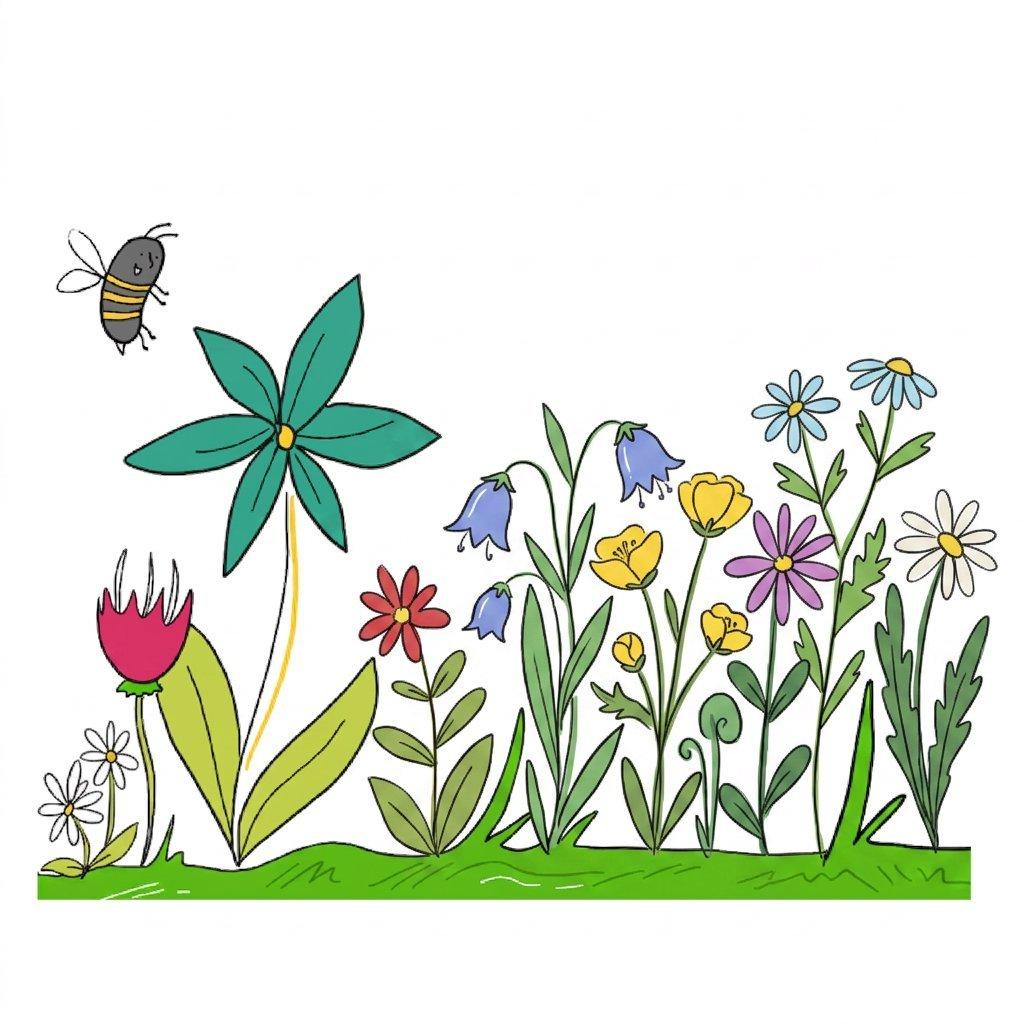
Native wildflowers are so valuable to wild bees. Aim for a succession of flowering plants from March through to October, so there is always something in bloom.
#BeeNoisy
The more noise we make, the harder it is for decision-makers to look away - share this page and help Save the Bees!
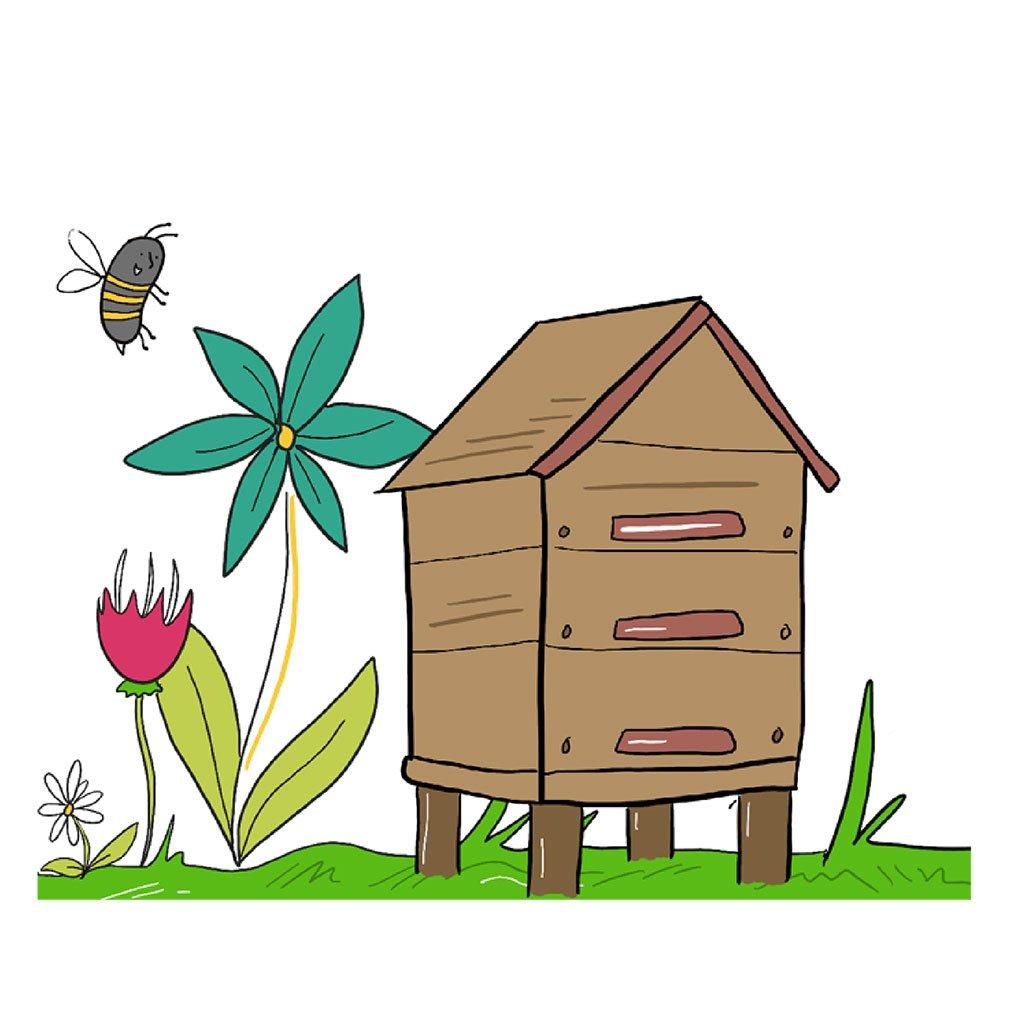
Bumblebee
Retirement
Home
Flying Flowers' Bumblebee Retirement Home is a real, working initiative to support bumblebee conservation.
Write to
Your MP

The UK government has committed to protecting 30% of land for nature by 2030 - write to your MP and ask them to prioritise habitat restoration, wildflower sites, and ban harmful pesticides.
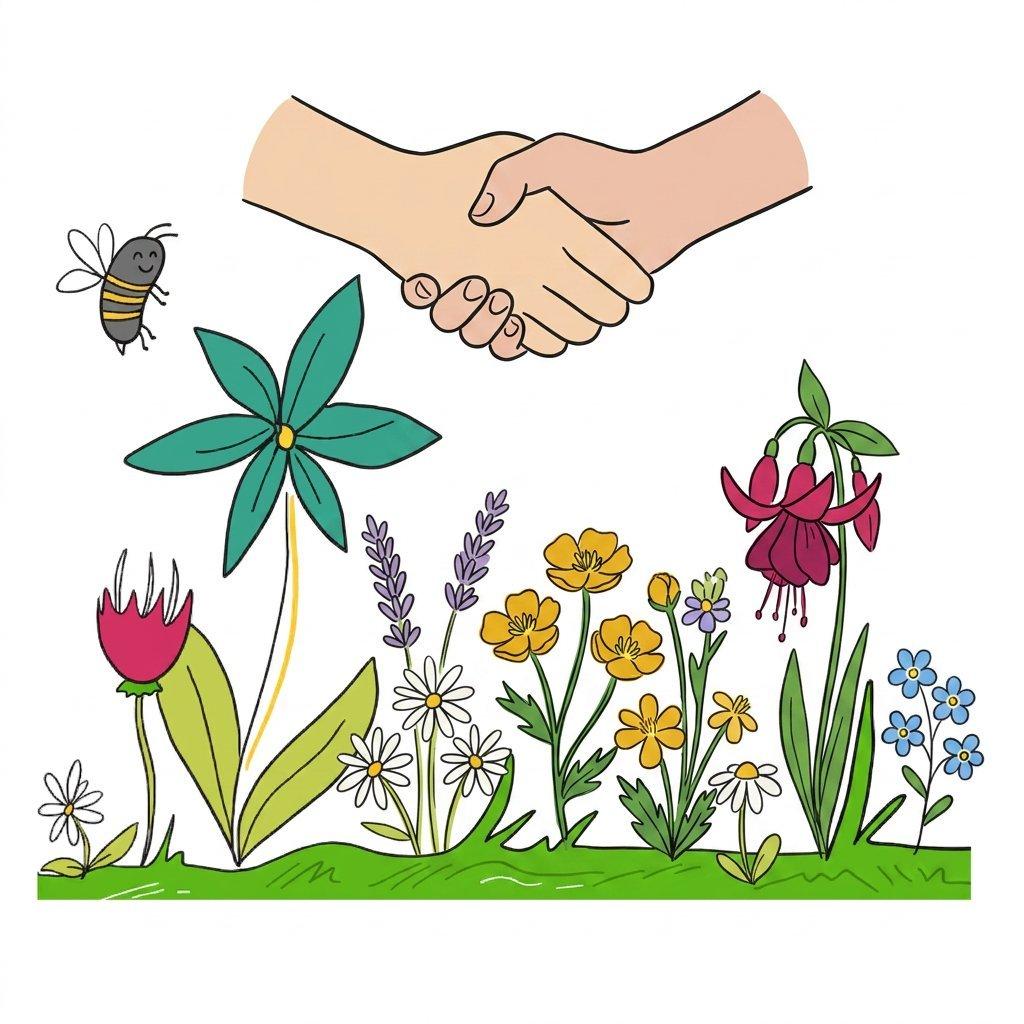
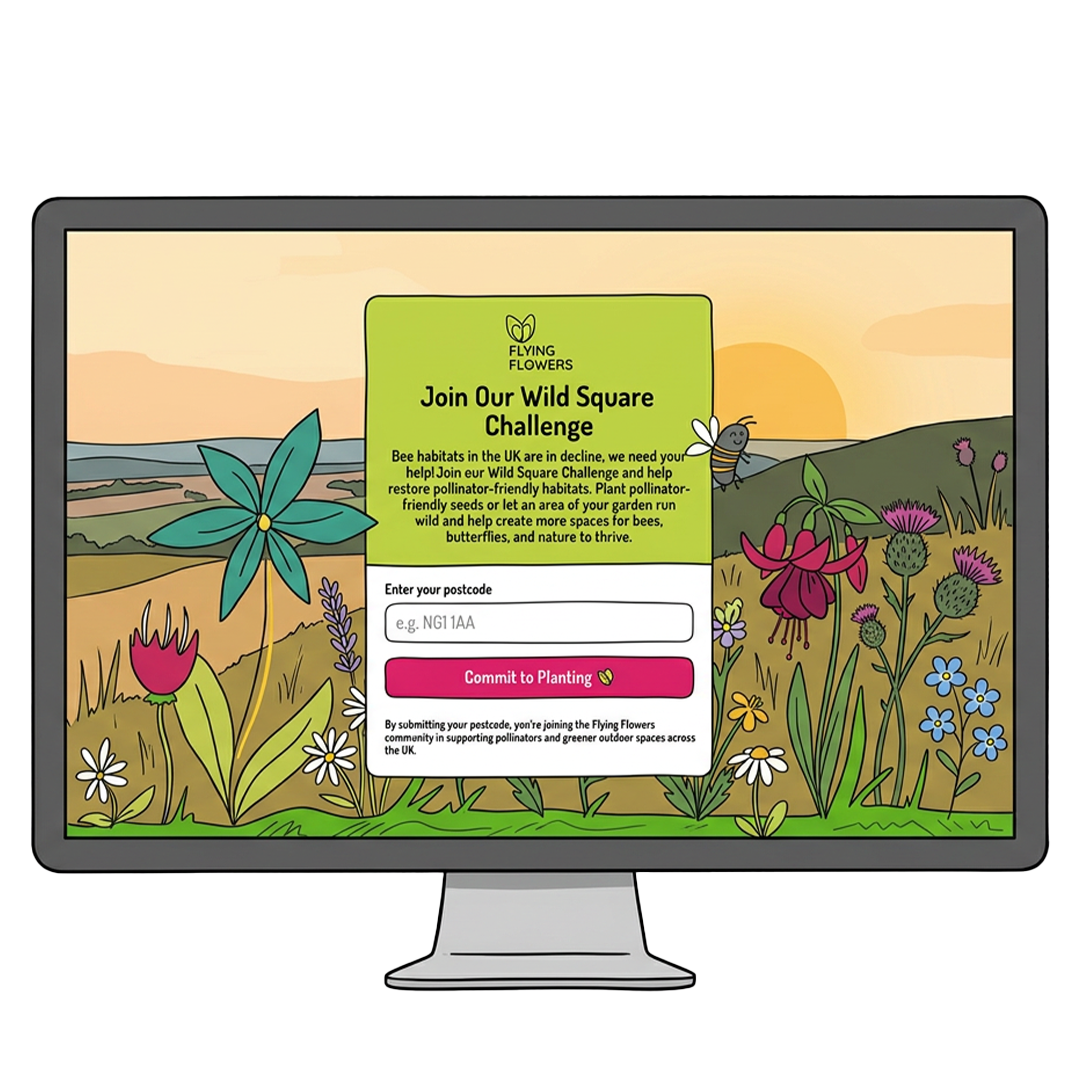
Wild Square
Pledge
Help restore pollinator-friendly habitats by leaving one square metre of your garden to grow wild.
Support
Conservation
Groups
Organisations including the Bumblebee Conservation Trust, Buglife, and Plantlife all run programmes that protect and restore pollinator habitats across the UK.
Advocate
at Work
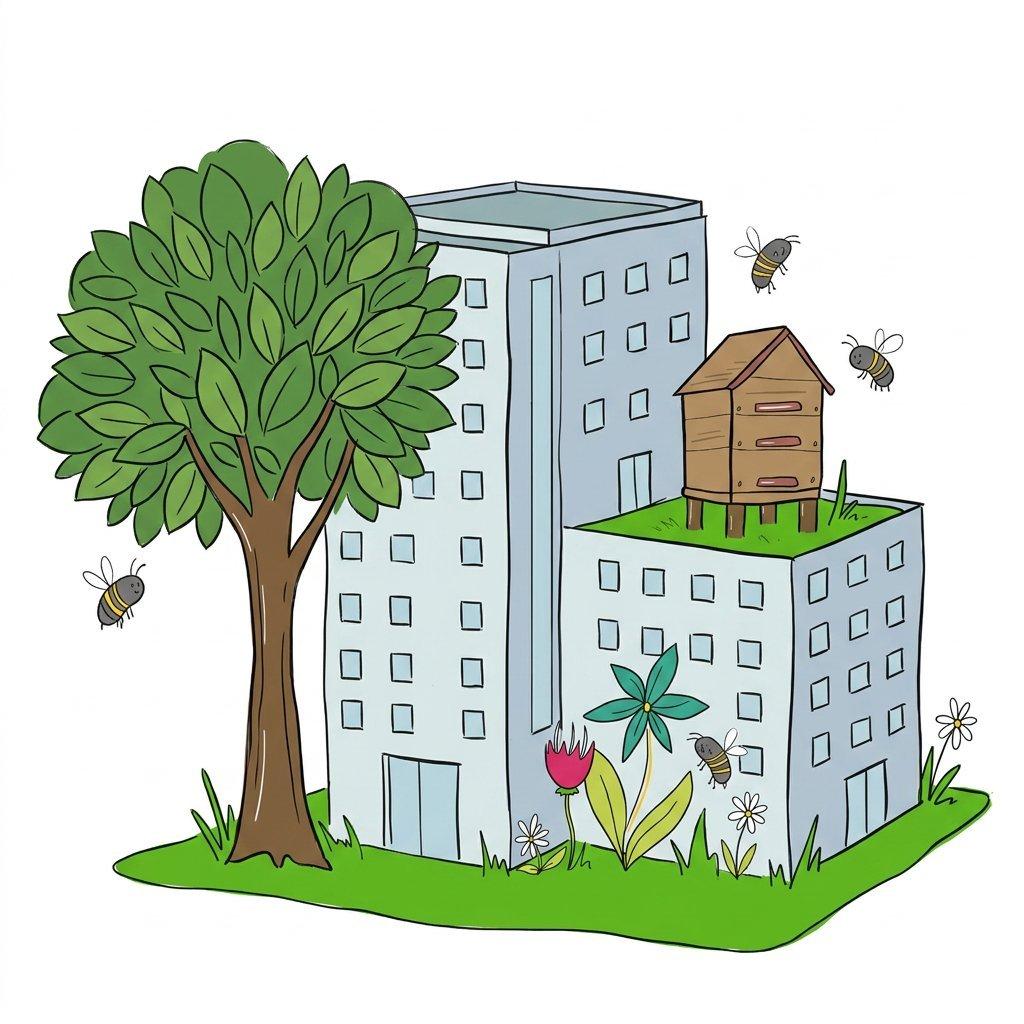
Office buildings, car parks, and commercial sites often have untapped green space that could be managed for pollinators.
Teach the Next
Generation
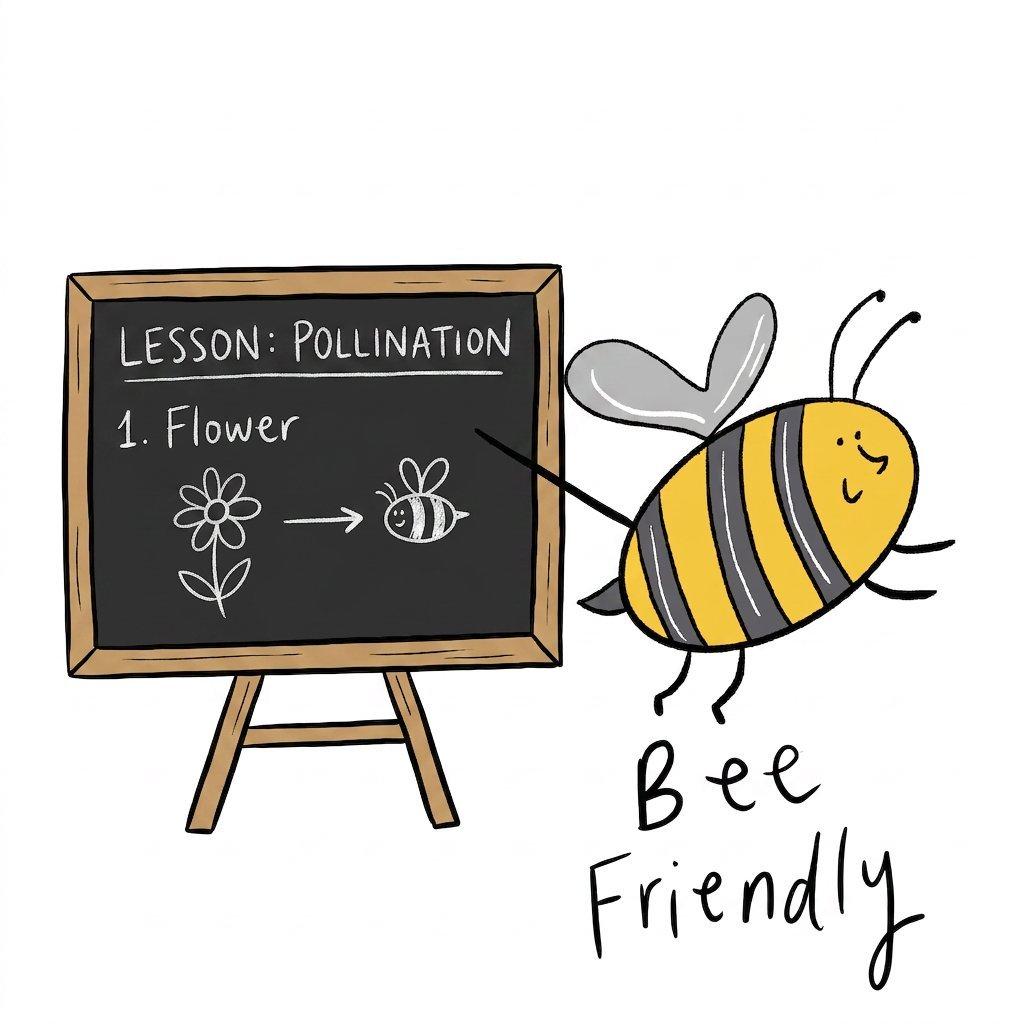
Flying Flowers’ free learning resources for schools bring the crisis to life for young people.
Help Local
Bees
Sometimes the most powerful thing you can do is the simplest thing closest to home. Find out how to help your local bees here.
About The Department for Pollination
The Department for Pollination is a campaign by Flying Flowers, UK-based flowers and gifts company with a long-standing commitment to bee conservation and pollinator-friendly growing.
The data underpinning this campaign has been drawn from Freedom of Information (FOI) requests and publicly available government and scientific sources, including:
- The National Bee Unit / BeeBase (Animal and Plant Health Agency)
- The Botanical Society of Britain and Ireland — GB Vascular Plant Red List 2025
- The JNCC UK Biodiversity Indicators 2025 and Red List of Ecosystems 2025
- The Fields in Trust Green Space Index
- Freedom of Information requests to DEFRA, Natural England, BeeBase, and JNCC.
The Department for Pollination. Established 2026. Status: Support Urgently Required.